How to Season and Care for a Carbon Steel Pan
Carbon steel heats fast, sears hard, and lasts for decades. Here is how to season it, cook in it, and keep that nonstick patina going strong.
 By Priya Hollis
February 24, 2026 · 5 min read
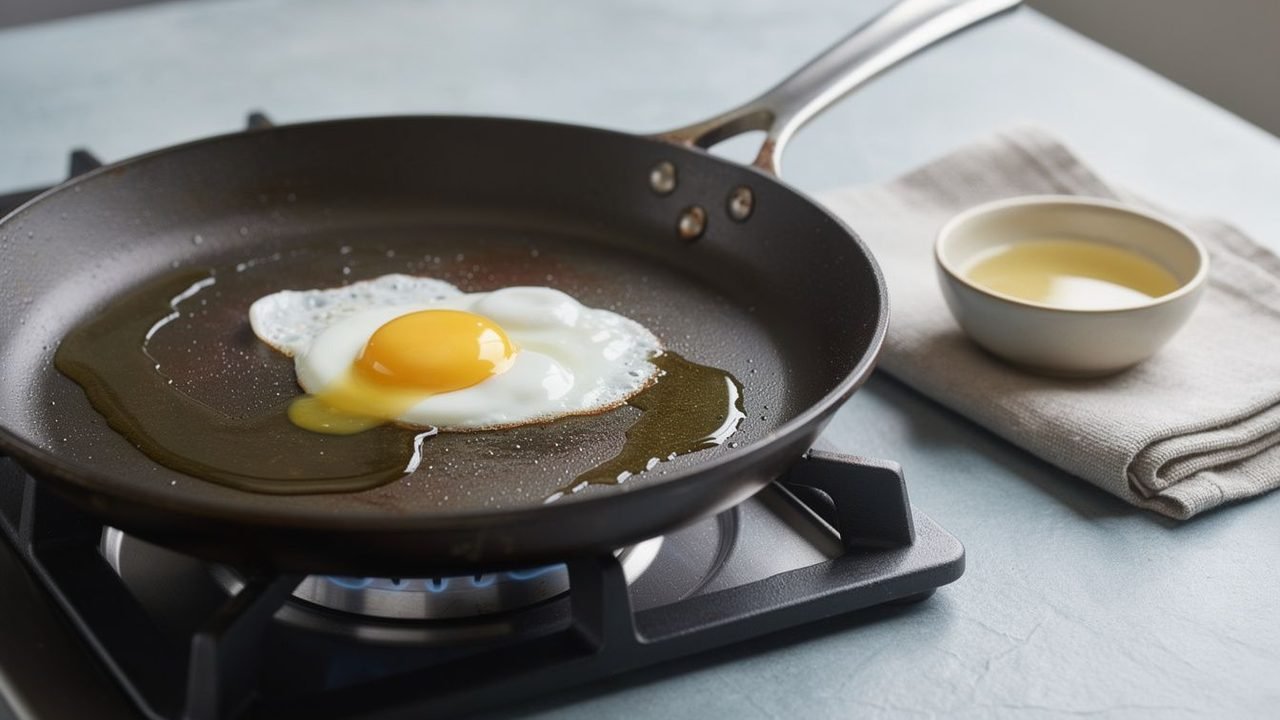
If cast iron is the heavyweight of the kitchen, carbon steel is its faster, lighter cousin. It heats quickly, sears beautifully, handles high oven temperatures, and with the right care develops a slick surface that rivals many nonstick pans. The catch is that it needs seasoning. That word scares people off, but seasoning is simply a routine, and it gets easier every time you cook.
What seasoning actually is
Seasoning is a thin layer of oil that has been heated past its smoke point until it polymerizes, which means it bonds into a hard, slick coating on the metal. Each layer protects the steel from rust and helps food release. A new pan starts with little or no seasoning, and a well-used pan has many microscopic layers built up over time.
Carbon steel is mostly iron, so it will rust if left wet. Seasoning is your first line of defense, and good habits are your second.
Step 1: Remove the factory coating
Many carbon steel pans ship with a protective coating, often wax or oil, to prevent rust in the warehouse. Check the instructions that came with your pan. If there is a coating, remove it before seasoning. This usually means scrubbing with hot water and dish soap, or following the manufacturer's recommended method. Dry the pan completely, then set it over a burner for a minute or two to drive off any remaining moisture.
Step 2: Apply a very thin layer of oil
Choose a neutral oil with a high smoke point, such as canola, vegetable, grapeseed, or a dedicated seasoning oil. Put about half a teaspoon in the pan and rub it over every surface, inside and out, including the handle if it is steel.
Now the most important part: wipe it off. Take a clean, lint-free cloth or paper towel and buff the pan as if you made a mistake and need to remove all of the oil. What remains is exactly the right amount. Too much oil leads to a sticky, blotchy finish instead of a hard, smooth one.
Step 3: Heat it
You can season in the oven or on the stovetop.
Oven method
- Heat the oven to 450 to 500 degrees F.
- Place the oiled pan upside down on the middle rack, with a sheet of foil on the rack below to catch any drips.
- Bake for one hour.
- Turn off the oven and let the pan cool inside.
- Repeat the oil, wipe, and bake cycle two or three more times.
Stovetop method
- Turn on your range hood and open a window, since this will smoke.
- Heat the oiled pan over medium-high heat until it smokes and the smoking begins to taper off.
- Let it cool slightly, wipe on another very thin layer, and repeat until the cooking surface looks evenly bronze to dark brown.
Do not worry if the color is uneven at first. Carbon steel changes color as it seasons, moving from silver to gold to brown and eventually to a deep black. Splotches even out with use.
Step 4: Cook fatty foods first
The best way to build seasoning is to cook. For the first few weeks, favor foods that involve a good amount of fat: searing steaks, shallow-frying potatoes, cooking bacon, or sauteing onions. Save eggs, delicate fish, and acidic sauces until the surface feels slick.
Everyday cleaning
Clean the pan while it is still warm. A simple routine works best:
- Rinse with hot water and scrub with a brush or non-scratch sponge.
- For stuck bits, add a spoonful of coarse salt and scrub with a paper towel, or simmer a little water for a minute to loosen them.
- A small amount of mild dish soap is fine on a well-seasoned pan. Polymerized oil is not the same as grease, and gentle soap will not strip it.
- Dry immediately with a towel, then set the pan over low heat for a minute to evaporate every trace of water.
- Wipe on a whisper-thin layer of oil while it is warm, and buff it off.
What to avoid
- Soaking: never leave carbon steel sitting in water or in the sink.
- The dishwasher: it will strip seasoning and cause rust quickly.
- Long acidic simmers: tomato sauce, wine reductions, and vinegar can eat away at young seasoning. A quick deglaze is fine; an hour-long marinara is better in stainless steel or enameled cast iron.
- Storing it damp or oily: excess oil turns sticky over time. Keep the coating thin.
Troubleshooting
Rust spots
Do not panic. Scrub the rust away with steel wool or a scouring pad, rinse, dry thoroughly on the stove, and re-season that area with a thin layer of oil and heat. The pan will be as good as new.
Sticky or tacky surface
That means too much oil was applied or it was not heated long enough. Heat the pan in a 450 degrees F oven for another hour to finish polymerizing, or scrub the sticky spots and re-season with a thinner coat.
Food still sticks
Make sure the pan is fully preheated before adding fat, and give the fat a moment to heat before adding food. Let proteins sear undisturbed until they release naturally. Most sticking comes from moving food too early.
Flaking black bits
This usually means a thick, uneven layer of seasoning or carbonized food buildup. Scrub the flaky area down, then rebuild with thin coats.
Worth the effort
A carbon steel pan rewards consistency more than perfection. Cook in it often, dry it well, keep the oil thin, and it will get better every month. Years from now it will be the pan you reach for first, dark and slick and ready for anything from a weeknight omelette to a crusty smash burger.